
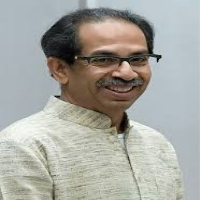


 Basic Information :
Uddhav Thackeray
Basic Information :
Uddhav Thackeray
Uddhav BalKeshav Thackeray
Wednesday, July 27, 1960
uddhav1960@gmail.com
1111111111
Bandra
Uddhav Bal Thackeray is a senior Indian politician currently serving as a Member of the Maharashtra Legislative Council (MLC) since May 2020. He is the National President of Shiv Sena (Uddhav Balasaheb Thackeray) [Shiv Sena (UBT)], a key regional party headquartered in Mumbai, Maharashtra. Thackeray previously served as the 19th Chief Minister of Maharashtra (2019–2022) and is widely regarded for his leadership during the COVID-19 pandemic, urban infrastructure projects, and environmental conservation initiatives. Known as “Uddhav Saheb,” he has also led major social campaigns and is respected for maintaining party unity amidst political challenges. Uddhav Thackeray continues to guide development, social work, and progressive policies across Maharashtra, and is recognized for his role in farmer welfare, youth empowerment, and public health
Social and Political Life of Uddhav Bal Thackeray, Shiv Sena (UBT) Leader and MLC from Maharashtra
1. Political Journey and Milestones
Uddhav Bal Thackeray, born on July 27, 1960 in Mumbai, hails from Maharashtra’s iconic political family—his father, Balasaheb Thackeray, founded the Shiv Sena, shaping the state's regional politics for decades. Initially known more for his passion for photography than front-line activism, Uddhav kept a low political profile until the early 2000s.
Entry into Politics: Uddhav’s formal political career began in 2002 as campaign chief for Shiv Sena during local elections. In 2003, he became working president, and by 2006 he took over as Saamana editor, the party’s influential Marathi newspaper.
Leadership Transitions: After the passing of Bal Thackeray in 2012, Uddhav took the party’s reins, steering Shiv Sena through alliance challenges and the split with cousin Raj Thackeray’s MNS faction.
Pivotal Milestones:
Led the Shiv Sena into the NDA as a coalition partner pre-2014, then shifted to form the Maha Vikas Aghadi alliance (Shiv Sena (UBT), NCP, Congress) in 2019.
Became the first Thackeray to hold executive office, serving as Chief Minister of Maharashtra (2019–2022)—a departure from the party’s traditional non-office-seeking philosophy.
Focus on campaigns supporting farmers’ rights, debt relief, and strong regional identity for the "Marathi manoos".
2. Current Political Role
Uddhav Thackeray is currently serving as a Member of the Maharashtra Legislative Council (MLC) since May 2020. He leads the Shiv Sena (Uddhav Balasaheb Thackeray) [Shiv Sena (UBT)] faction, headquartered in Mumbai, Maharashtra.
Legislative Work: As Chief Minister, he championed climate resilience, infrastructure modernization (including urban transit and housing), and public health expansion.
Recent Election Performance: In the 2024 Assembly polls, Shiv Sena (UBT) won 20 seats with a 10% vote share, compared to the Shinde-led Sena’s 57 seats, maintaining significant sway in Mumbai and Marathwada districts.
Public Support: Despite party splits and government changes, Thackeray commands considerable respect, especially among Mumbai’s urban electorate and traditional Shiv Sena supporters.
3. Social Work and Community Engagement
Thackeray’s leadership extends Shiv Sena’s founding ethos of "80% social work, 20% politics".
Expanded local healthcare—setting up hospitals, malaria clinics, and leading blood donation mega-camps in Mumbai.
Led relief and rehabilitation for drought-hit farmers in Vidarbha and championed farmer debt relief during severe agrarian crises.
Oversaw major food distribution and health initiatives during COVID-19, earning national and international praise, especially for efforts in Mumbai’s densely populated Dharavi.
Supported cultural heritage by promoting Marathi language, local festivals, and public amenities for community development.
4. Youth and Women Empowerment
Education Initiatives: Pledged and implemented policies for free education for girls and boys; initiated recruitment and appointment of women police officers for women-friendly public safety.
Women Empowerment: Unveiled policies for 24×7 women-only police stations, statewide recruitment of women officers, and free public transport for women.
Youth Engagement: Emphasis on skill development, youth scholarships, and grassroots leadership incubation through party and alliance youth wings.
5. Election Performance and Campaign Style
Election Contests: Led Shiv Sena (UBT) through the 2019 assembly victory, becoming CM, and later contested the 2024 assembly as an opposition leader.
Vote Share: 2024 results saw Shiv Sena (UBT) secure a 10% statewide vote share, retaining influence in Mumbai despite Shinde Sena gaining official party recognition.
Campaign Tactics: Noted for both mass rallies and digital engagement, grassroots connect, and issue-based manifestos emphasizing social justice, development, and local identity.
6. Public Perception and Media Presence
Uddhav Thackeray is perceived as a "clean image politician" and "Uddhav Saheb," balancing a soft-spoken, consensus-seeking approach with assertive leadership during crises.
His speeches and interviews reflect a commitment to public welfare and inclusive politics, earning him admiration from across party lines.
7. Associations and Leadership Roles
Serves as National President of Shiv Sena (UBT) and is the principal strategist and negotiator for the party’s key alliances.
Managed and expanded Shiv Sena’s party structure across Maharashtra’s local bodies and zilla parishads since the 2000s.
8. Recognitions and Awards
While he has not received high-profile national awards, Thackeray has been widely acknowledged for governance and statesmanship during the COVID-19 pandemic, with special mention for crisis response in Mumbai by global bodies like the WHO.
Continues to earn respect from the media, civil society, and state administrative circles for his calm crisis management and social policy focus.
Personal Life and Values of Uddhav Bal Thackeray, Shiv Sena (UBT) Leader from Maharashtra
Early Life and Family Background
Uddhav Bal Keshav Thackeray was born on 27 July 1960 in Mumbai, Maharashtra, into one of the most influential political families in the state. He is the son of Balasaheb Thackeray, founder of the Shiv Sena, a party known for its advocacy of Marathi identity and regional pride. His mother, Meena Thackeray, played a significant role in shaping the grounded values of the Thackeray household. Growing up in a politically charged atmosphere, Uddhav was deeply influenced by public service, cultural pride, and grassroots mobilisation—qualities that would later define his leadership.
Raised with a strong sense of discipline, creativity, and public responsibility, Uddhav Thackeray credits his family for his commitment to empathy, integrity, and community-first politics.
Education and Personal Values
Uddhav completed his schooling at Balmohan Vidyamandir, a Marathi-medium school in Mumbai’s Dadar, and later earned a Bachelor of Arts in Photography from Sir J.J. Institute of Applied Art, Mumbai. Before taking the political plunge, he was widely known for his love for wildlife and photography—his work has been exhibited and published in noted publications such as Maharashtra Desh.
Though not formally trained in politics, Uddhav’s education in the visual arts sharpened his analytical thinking, sense of observation, and meticulous nature, traits he would bring into political administration. Influenced by the thoughts of Shivaji Maharaj, B.R. Ambedkar, and his father’s fierce regional loyalty, Thackeray developed a political ideology combining secular, democratic, and regional identity-based governance.
Family and Relationships
Uddhav Thackeray is married to Rashmi Thackeray, a journalist who later served as editor of the Shiv Sena mouthpieces Saamana and Marmik. The couple is known for their simplicity and has maintained a largely private family life. They have two sons, including Aaditya Thackeray, who is also an active political leader and Member of the Maharashtra Legislative Assembly (MLA) from Worli. Aaditya served as Cabinet Minister for Environment and Tourism during the 2019–2022 MVA government.
Despite the rigours of Maharashtra politics, Uddhav is widely seen as a devoted husband and father, often crediting his family for their support during both personal transitions and intense political periods.
Lifestyle and Interests
Contrary to traditional images of political grandeur, Uddhav Thackeray is known for his modest, cultured, and soft-spoken nature. He leads a simple lifestyle, often opting for private conversations over public display. Deeply passionate about photography, environmental conservation, and Marathi literature, he spends time exploring India's wildlife, photographing flora and fauna, and reading historical and socio-political writings.
His creative side also translates into public affairs—frequently emphasising sustainability, civic culture, and preserving Maharashtra’s heritage as part of his policy vision.
Community Engagement and Personal Philosophy
Uddhav Thackeray has always positioned himself as a leader grounded in community needs, especially within Mumbai and urban Maharashtra. He believes in a consultative and responsive style of governance, often involving local leaders, workers, civil society members, and experts in decision-making processes.
He maintains a visible open-door policy, especially during crises, and often uses his deep roots in Mumbai’s socio-political fabric to influence larger public policy. He credits the success of his administration and party to grassroots karyakartas (workers) and consistently promotes a sense of teamwork and loyalty within Shiv Sena (UBT).
Recognition and Public Image
While Uddhav Thackeray has not been formally decorated with national honors, his contributions during the COVID-19 pandemic, particularly in managing Mumbai’s containment zones, earned praise from across party lines and international agencies like the World Health Organization (WHO).
Frequently referred to as "Uddhav Saheb," he is respected for his calm demeanour, clean political image, and measured approach. He is often portrayed as a modern and reformist regional leader within the context of Maharashtra politics.