
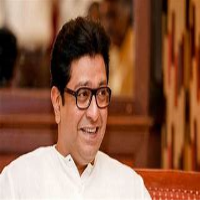


 Basic Information :
Raj Thakare
Basic Information :
Raj Thakare
Raj Shrikant Thakare
Friday, June 14, 1968
rajthakare@gmail.com
1111111111
Mumbai South-Central
Raj Shrikant Thackeray, popularly known as Raj Thackeray, is the founder and president of the Maharashtra Navnirman Sena (MNS), a regional political party in Maharashtra. Born on 14 June 1968 in Mumbai, he is a prominent Maharashtra leader known for championing Marathi identity and local development. Though respected as “Raj Saheb,” he is not currently serving as an MLA or MP in the Maharashtra Legislative Assembly or Lok Sabha. Raj Thackeray began his political journey with Shiv Sena’s youth wing before founding MNS in 2006. He is widely recognized for his initiatives in youth mobilization, social campaigns supporting Marathi pride, and development-oriented political activism in Maharashtra
Social and Political Life of Raj Thackeray, Founder-President of Maharashtra Navnirman Sena (MNS), Maharashtra
1. Political Journey and Milestones
Raj Thackeray (full name: Raj Shrikant Thackeray) was born on 14 June 1968 in Mumbai into the prominent Thackeray family; he is the nephew of Balasaheb Thackeray, the Shiv Sena founder.
Early on, Raj developed an interest in politics while working as a cartoonist for 'Marmik', a magazine started by Balasaheb Thackeray. He launched the Bharatiya Vidyarthi Sena, the student wing of Shiv Sena.
Raj rose through the Shiv Sena ranks in the 1990s, becoming well-known in Maharashtra politics for his activism and oratory skills.
In 2005, due to ideological differences and perceived sidelining within Shiv Sena, he resigned from all party positions. This marked a major turning point in Maharashtra’s political history, splitting the influential Thackeray family.
On 9 March 2006, he founded his own party, the Maharashtra Navnirman Sena (MNS), with an agenda focused on Marathi identity, regional pride, and the development of Maharashtra.
Raj Thackeray and MNS have championed issues such as the rights of the Marathi community, employment for local youth, use of Marathi in business signboards, and local infrastructure.
2. Current Political Role
Political Party: Maharashtra Navnirman Sena (MNS)
Current Role (2024-2025): Founder-President of MNS; not an MLA/MP. The MNS did not win any seats in the 2024 Maharashtra Legislative Assembly election, and currently does not hold representation in the state assembly.
Raj is regarded as the party’s chief strategist and principal spokesperson, shaping electoral campaigns and the party’s stand on state and national issues.
Raj Thackeray remains a notable and frequently-discussed figure in Maharashtra politics 2024–2025, with influence transcending electoral results.
3. Social Work and Community Engagement
Raj Thackeray’s political life has involved advocacy for Marathi Manus (Marathi people) and supporting local employment initiatives.
MNS under his leadership has participated in campaigns for infrastructure development, local language rights, and cultural preservation.
While not directly linked to major disaster relief or health campaigns, MNS cadres have participated in local-level initiatives such as COVID-19 assistance and neighborhood cleanliness drives.
4. Youth and Women Empowerment
Raj Thackeray has emphasized the role of youth in politics and often addresses students and young professionals in his speeches.
MNS encourages youth participation in grassroots politics via its student and youth wings.
No major standalone women’s empowerment programs have been documented, but MNS has supported women’s self-help groups (SHGs) and safety initiatives at the local level.
5. Election Performance and Campaign Style
The MNS, under Raj Thackeray, first tasted electoral success in the 2009 Maharashtra assembly elections by winning 13 seats out of 288.
In 2019, the party managed 1 seat, and in 2024, it failed to win any seats. Vote share and success have declined over time, but Raj remains a charismatic campaigner.
Campaign Style: Known for high-impact public speeches, aggressive promotion of Marathi interests, and innovative use of audio-visual presentations in campaign rallies.
Digital outreach, catchy slogans, and padayatras (foot marches) have been part of MNS strategies, often with Raj “Saheb” addressing large crowds.
6. Public Perception and Media Presence
Raj Thackeray is characterized as a grassroots leader in Mumbai and other urban areas, with a fiery oratory style and a reputation for plain-speaking.
Media coverage often focuses on his bold statements, viral speeches, and interventions in contentious regional issues.
He is sometimes called “Raj Saheb” by the party cadre and followers, reflecting respect and recognition in Maharashtra politics.
His confrontational style and advocacy for local rights have made him both a popular and controversial figure.
7. Associations and Leadership Roles
Founder-President and main leader of Maharashtra Navnirman Sena (MNS).
Former leader of Bharatiya Vidyarthi Sena (Shiv Sena's student wing).
No significant records of leadership in cooperatives, Zilla Parishads, or municipal bodies, but he has led party-level organizational campaigns.
8. Recognitions and Awards
No widely reported formal awards or honors from government or civil society for social or administrative work as per available public data.
9. Crisis Response and Ground Presence
Raj Thackeray and MNS have traditionally responded to regional crises, such as campaigns for the rights of local taxi drivers and language issues, and have mobilized party workers during local disruptions.
During controversies or unrest, Raj is known for meeting with affected groups and addressing public gatherings to communicate the party’s stand.
Personal Life and Values of Raj Thackeray, Maharashtra Navnirman Sena Leader
Early Life and Family Background
Raj Thackeray (full name: Raj Shrikant Thackeray) was born on 14 June 1968 in Mumbai, Maharashtra. He is the son of Shrikant Thackeray, a noted musician and cartoonist, and the nephew of Balasaheb Thackeray, the iconic founder of Shiv Sena. The Thackeray family is known for its deep roots in Maharashtra’s political and cultural scene, with a legacy of advocacy for Marathi pride, regional identity, and public service.
Raised in a household that valued integrity, discipline, and a deep connection to Marathi culture, Raj Thackeray was immersed from an early age in debates about social justice and regional issues, shaping his sense of responsibility towards society.
Education and Personal Values
Raj Thackeray completed his schooling and higher education in Mumbai. He pursued studies at the prestigious Sironcha College of Commerce and Economics (now known as the Sydenham College), earning a degree in Commerce. In his formative years, Raj also trained as a cartoonist, following in the creative footsteps of his uncle Bal Thackeray.
Influenced by Indian reformers and the ethos of Maharashtra’s social movements, Raj Thackeray has often cited the importance of equality, justice, and cultural dignity. He is known for his commitment to protecting regional identity while advocating for inclusivity and fair opportunity for all.
Family and Relationships
Raj Thackeray is married to Sharmila Thackeray. The couple has a son, Amit Thackeray, who has also entered public life. Despite the pressures of a dynamic political career, Raj Thackeray is known to be a devoted family man, often attributing his resilience and personal discipline to the love and support he receives at home. His close-knit family is a source of strength and stability, and he believes that strong family foundations nurture responsible public leaders.
Lifestyle and Interests
Raj Thackeray is recognized for his modest and unostentatious lifestyle. He is passionate about art and music, with a special interest in painting and cartoons—a talent he inherited from his father and uncle. He has often participated in art exhibitions and appreciates classical music, finding inspiration in creative pursuits outside the political sphere. Raj is also a keen observer of literature and cinema, frequently referencing cultural and historical influences in his speeches.
A lifelong learner, Raj Thackeray values intellectual curiosity and stays engaged with new ideas, technological trends, and the evolving aspirations of Maharashtra’s youth.
Community Engagement and Personal Philosophy
Deeply connected to the grassroots, Raj Thackeray regularly travels across Maharashtra to engage directly with citizens from diverse backgrounds. He is known for his open-door approach, welcoming feedback from party workers and ordinary people. Raj encourages active dialogue and collective problem-solving, crediting team spirit and the relentless work of MNS volunteers for much of his political success.
His personal philosophy puts emphasis on empowerment, community pride, and direct action. Raj believes leadership is about being accessible, listening to people’s concerns, and inspiring unity of purpose within society.
Recognition and Public Image
While Raj Thackeray has not received major government awards, he is widely respected for his integrity, fiery oratory, and unwavering commitment to regional issues. He is regarded as a “people’s leader” in Mumbai and other urban centers, admired for his humility, approachability, and ready engagement with citizens—qualities often highlighted in Maharashtra political leader biography profiles.
Updates:
june 9 ,2025
Raj Thackeray expressed strong anger over a tragic accident involving overcrowded Mumbai local trains, where several commuters died after falling from moving trains in Thane district. He criticized the chronic negligence of the railway authorities and the failure to address the urgent need for a separate Mumbai Railway Corporation to manage the city's railway system. Following the incident, Raj Thackeray's Maharashtra Navnirman Sena (MNS) organized a protest march in Thane demanding accountability and improved safety measures for Mumbai’s local trains. He urged people to join the protest to push for better management and safer infrastructure in the local train network, highlighting the everyday dangers commuters face.30 mar 2025:
Raj Thackeray delivered a strong speech during the annual Gudhi Padwa rally at Shivaji Park, addressing several key issues including the controversy over Aurangzeb's tomb, Kumbh Mela, and river pollution. He criticized attempts to incite communal tensions through Aurangzeb's tomb controversy, suggesting that only the grave remain with a board stating Aurangzeb tried to destroy the Marathas. Raj Thackeray also highlighted the poor condition of rivers like Ganga and Mumbai's rivers, condemning pollution despite large investments. He emphasized the importance of Marathi language respect and warned of stern action against those disrespecting it. Additionally, he urged people not to rely on WhatsApp forwards for history but to study it seriously. His speech blended historical pride with contemporary socio-political concerns, urging unity under Marathi identity rather than caste or religion divides