
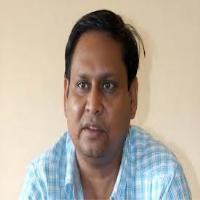


 Basic Information :
shri kabir
Basic Information :
shri kabir
shri humayun kabir
-- -- ----
shrihumayunkabir@gmail.com
9933328786
Murshidabad
Shri Humayun Kabir is an Indian politician serving as the Member of Legislative Assembly (MLA) from the Bharatpur constituency in Murshidabad district, West Bengal. He is a member of the All India Trinamool Congress (AITC) and has been in office since the 2021 West Bengal Legislative Assembly elections. Kabir has held significant roles including cabinet minister during the First Banerjee Ministry and has had a varied political journey involving the Indian National Congress and Bharatiya Janata Party before rejoining the AITC. Known for his focus on development, social work, and empowerment of minority communities, he has recently announced plans to launch a new political party ahead of the 2026 West Bengal elections, aiming to contest 50 seats.
1. In 2021 He was elected as MLA from Bharatpur - I[ TC ].
Social and Political Life of Shri Humayun Kabir, MLA from Bharatpur, West Bengal
Political Journey and Milestones
Shri Humayun Kabir, born on January 3, 1963, is a seasoned political figure from Murshidabad district in West Bengal. He currently serves as the Member of Legislative Assembly (MLA) from the Bharatpur constituency. Kabir began his political career with the Indian National Congress and later joined the All India Trinamool Congress (AITC). He has served as cabinet minister during the First Banerjee Ministry and was MLA for Rejinagar from 2011 to 2012. Known for his vocal and independent stance, Kabir has had a turbulent political journey, including a temporary expulsion from TMC and joining BJP before rejoining AITC.
Current Political Role
Currently representing the Bharatpur constituency as an MLA of AITC, Kabir is an influential player in West Bengal politics. His legislative performance shows active participation, although he has had several controversies with party leadership. Recently, in 2025, he announced plans to launch a new political party, aimed at contesting over 50 seats in West Bengal, citing dissatisfaction with Murshidabad district leadership.
Social Work and Community Engagement
Humayun Kabir has been actively involved in social campaigns around development, education, and welfare in murshidabad, focusing especially on the minority communities in his constituency. His engagement includes addressing local infrastructure, healthcare, and rural empowerment, and he remains a prominent voice for marginalized groups.
Youth and Women Empowerment
Kabir advocates for youth empowerment through education and employment initiatives. He also supports women’s self-help groups and programs geared toward social and economic upliftment, reflecting his commitment to inclusive development.
Election Performance and Campaign Style
Kabir has contested multiple elections, winning his seat in the West Bengal Assembly multiple times since 2011. His campaign strategy is marked by grassroots mobilization and vocal advocacy for minority rights. His campaigns have relied on traditional methods combined with outreach within minority constituencies.
Public Perception and Media Presence
Known as a "firebrand MLA," Kabir has been a prominent figure in media for his outspoken nature and political activism. While he holds strong support among minority communities, his public image is mixed due to controversies surrounding his statements and party dissent. Kabir remains a significant political force in Murshidabad.
Associations and Leadership Roles
Kabir has held various positions in party structures and at the ministerial level. His leadership within the minority community and political circles in Murshidabad underscores his influence.
Recognitions and Awards
While there are no widely reported national awards, Kabir’s local political stature and repeated electoral wins signify recognition for his service and leadership.
Crisis Response and Ground Presence
Kabir has been known to maintain his ground presence during local crises and social issues, focusing on direct engagement with his constituents.
Personal Life and Values of Shri Humayun Kabir: West Bengal Political and Literary Leader
Early Life and Family Background
Shri Humayun Kabir was born on 22 February 1906 in the village of Komarpur, in the Faridpur district of Bengal Presidency (now in Bangladesh). He hailed from a respected Bengali Muslim family known for its cultural and educational traditions. His father, Khwaja Atiqullah, was a notable zamindar and social reformer who strongly believed in modern education and community advancement.
Kabir grew up in an environment that blended deep respect for tradition with a progressive vision for society. From his early childhood, he was influenced by values of service, education, and moral responsibility, shaping his later career as a poet, scholar, and political leader.
Education and Personal Values
Shri Humayun Kabir completed his schooling in Calcutta (now Kolkata) before pursuing higher studies at Exeter College, University of Oxford, where he specialized in Modern History. His exposure to liberal thought in England, along with the Indian independence movement, deeply impacted his philosophy.
A firm believer in equality, inclusivity, and social justice, Kabir saw education as the primary tool of empowerment for India’s masses. His intellectual journey reflected a balance between Indian cultural heritage and modern democratic values. He was also influenced by reformers such as Rabindranath Tagore and Mahatma Gandhi, which further shaped his ideas of nation-building.
Family and Relationships
Humayun Kabir was married and balanced his professional commitments with personal life. He was known as a proud and supportive father, encouraging his children’s pursuit of both education and creativity. Despite his demanding political and administrative roles, Kabir nurtured close family bonds and valued the role of personal support in his achievements.
Lifestyle and Interests
Known for his modest and grounded lifestyle, Shri Humayun Kabir preferred quiet study, writing, and meaningful conversations over ostentation. He was deeply passionate about literature and poetry, writing extensively in both English and Bengali.
As a literary figure, he published poetry collections, essays, and critical works that reflected his humanist values and intellectual curiosity. He frequently engaged in discussions with fellow writers, artists, and thinkers, believing that cultural exchange was essential to India’s progress.
Community Engagement and Personal Philosophy
Humayun Kabir’s career as a teacher, educationist, and later a Union Minister in Jawaharlal Nehru’s cabinet was marked by his strong commitment to public engagement. He served as Minister of Education and also played important roles in cultural and parliamentary affairs.
He travelled widely across Bengal and India to connect with students, educators, and citizens, emphasizing the need for universal access to education, grassroots participation, and community empowerment. His open-door policy and belief in dialogue earned him respect across communities.
Recognition and Public Image
Shri Humayun Kabir was widely respected as both an education reformer and a political leader. He was regarded as a "people’s intellectual", bridging the worlds of literature, education, and governance. His contributions to literature, cultural thought, and public service left a legacy that continues to inspire.
Though he passed away on 18 August 1969, he is remembered as a visionary leader whose humility, accessibility, and forward-looking ideas made him a central figure in modern Indian history.
Please Add Description
shri kabir's Election History
Sr.No.
Year
Party
Constituency
Election
Result
Description
1
2021
TC
Bharatpur - I
MLA
Won
won by margin 43083